

LatticePay Wallet
LatticePay is a production-grade non-custodial wallet ecosystem on BSC that combines secure asset management, utility payments, rewards mechanics, and in-app education. Private keys and seed phrases remain on-device, and the on-chain reward model enables 10,000-recipient batch distributions for roughly $150 per run.
120 days
Beta Shipped
6 core
Smart Contracts
50+
Backend APIs
10K / run
Batch Recipients
Client
Confidential
Industry
Digital Payments / Consumer Web3
Timeline
~9 months (V1 shipped)
Team Size
4
Year
2025
Status
Live
01 / THE CHALLENGE
The Challenge
Fintech teams building consumer wallet products face a specific trap: most of the team understands payments but not blockchain. Internal Web3 execution maturity is low, wallet trust flows are poorly understood, and the projected operating cost of on-chain reward distribution is high enough to make the entire business model questionable before launch.
The client needed a production-grade non-custodial wallet that combined secure asset management, utility-payment experiences, rewards mechanics, and in-app education without inheriting custodial liability or derailing delivery speed. Private keys and seed phrases had to stay on the user's device. The architecture had to be modular enough for a Web2-native team to build on incrementally.
On the on-chain side, the challenge was batch reward distribution. Sending tokens to 10,000 recipients through standard per-transaction methods would cost $6,000 to $8,000 per distribution run on BSC. That cost structure made the rewards program commercially unviable. The system needed a smarter on-chain model to make it work.
02 / OUR APPROACH
Our Approach
Non-Custodial Wallet Architecture
Designed the full wallet trust model with private keys and seed phrases retained on-device. Wallet creation, import, PIN and biometric security, and backup flows were built to production standard with no server-side key custody at any point.
Modular Product Rollout
Structured the product into four independent modules (wallet core, utility payments, rewards and gamification, and in-app learning) so the Web2-native team could ship and iterate each module without cross-module dependency risk.
Six Core Smart Contracts
Designed and audited six on-chain contracts covering token handling, transfer flows, reward distribution, and admin controls. Reentrancy protections, access controls, and partial execution guards were applied across all contracts.
Batch Airdrop Engine
Built a batch distribution contract that processes up to 10,000 recipients in a single on-chain transaction for roughly $150 on BSC. This replaced a per-transaction model that would have cost $6,000 to $8,000 per distribution run and made the rewards program commercially viable.
Backend Orchestration Layer
Delivered 40 to 50+ .NET backend APIs covering authentication, content delivery, rewards tracking, and analytics. The backend was designed to support the full module stack with staged rollout capability and weekly hotfix deployment.
Web2-to-Web3 Team Enablement
Acted as fractional blockchain architecture partner and delivery lead throughout. Reduced overall Web3 delivery cost by around 25% by transferring architecture knowledge, setting execution standards, and accelerating the team's on-chain decision-making speed.
03 / ARCHITECTURE
Technical Architecture
04 / RESULTS
Results & Impact
120 days
Beta Shipped
6 core
Smart Contracts
50+
Backend APIs
10K / run
Batch Recipients
- Internal beta shipped in approximately 120 days; V1 delivered in around 9 months with monthly release cadence and weekly hotfix capability
- Batch airdrop engine cuts 10,000-recipient distribution cost to roughly $150 on BSC, down from a typical range of $6,000 to $8,000
- Six production smart contracts covering token transfers, reward distribution, and admin controls with reentrancy and access control protections
- 40 to 50+ backend APIs and 70 to 80 mobile screens delivered across wallet core, utility, rewards, and learn modules
- Web2-native team shipped a non-custodial BSC wallet without rebuilding the engineering org, reducing total Web3 delivery cost by approximately 25%
05 / PRODUCT
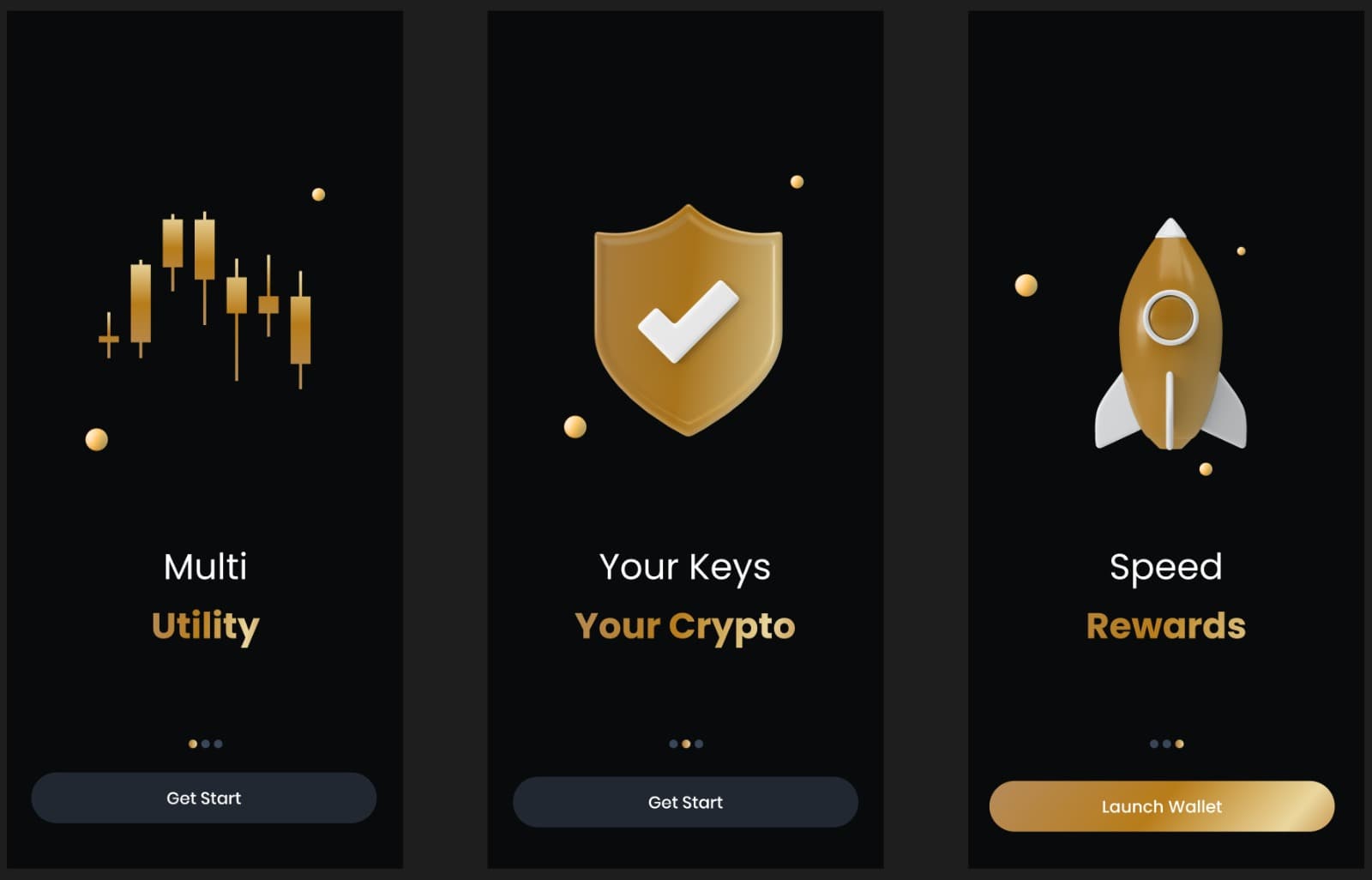
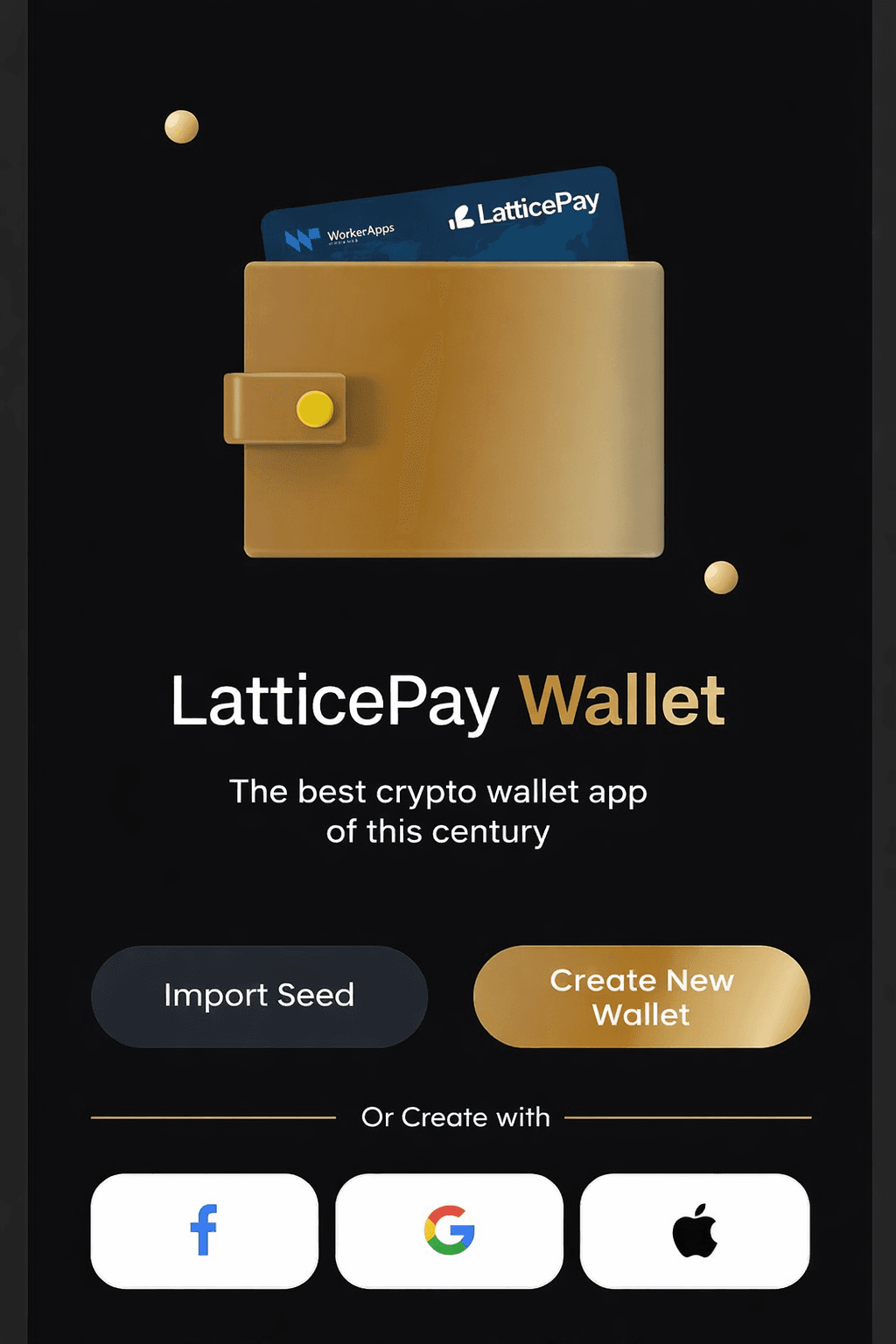
Screenshots & Product
06 / USE CASES
Use Cases
Fintech Founders
Teams adding wallet, token, or payment utility to a consumer fintech product without rebuilding their entire engineering team around Web3.
Token Ecosystems
Projects running rewards, airdrops, or loyalty programs on-chain that need commercial-grade distribution economics, not per-transaction cost structures.
Web2 Companies Moving to Web3
Product teams with strong backend and mobile capability but limited blockchain execution maturity that need an architecture partner to ship, not just advise.
Wallet Operators and Exchanges
Teams building or upgrading non-custodial wallet infrastructure where security posture, key handling, and trust UX are non-negotiable.
Next
Related Case Studies
Artificial Intelligence
Adge-Angle
Enterprise-grade AI platform for high-volume image background removal with pixel-perfect accuracy at millisecond speeds.
Read case studyArtificial Intelligence
Dashcam Analytics
CV-powered driving event detection and driver scoring from vehicle dashcam footage for UK fleet training and compliance.
Read case studyArtificial Intelligence
Helix
WhatsApp-native AI assistant with six specialist agents, 50+ OAuth integrations, and a React control room, with multi-agent LangGraph, sub-100ms memory, and multi-provider LLMs.
Read case study